

Follow the news
Featured articles
ERC winner
ERC Advanced Grant
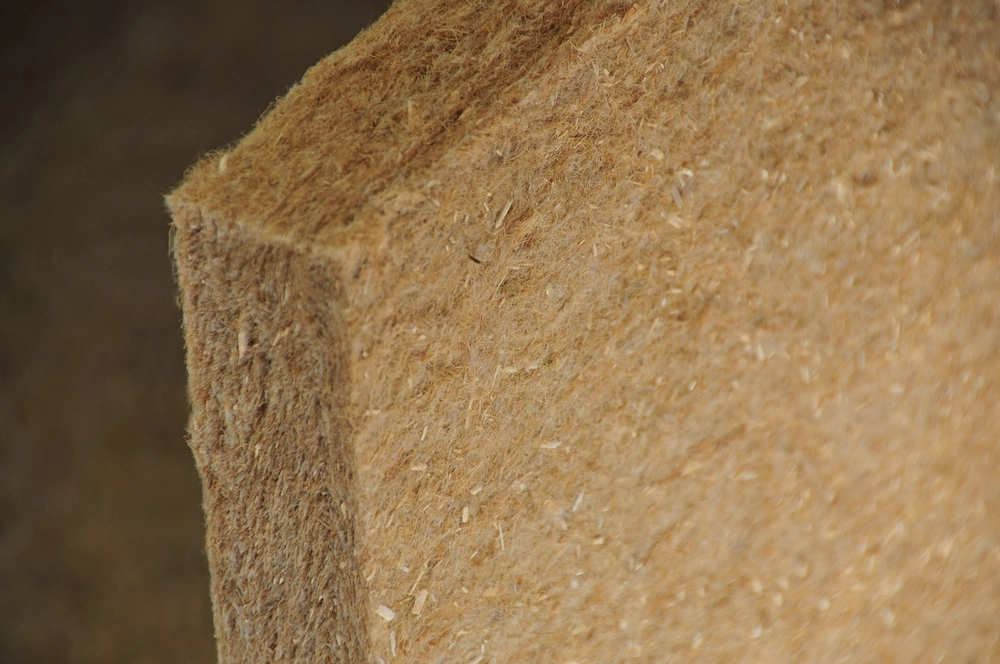
Bio-based building materials are porous structures made from wood fibers, hemp, cellulose, flax, etc., which may be coated or dispersed in a mineral paste. They represent a promising solution for reducing carbon emissions thanks to their low production cost and their partial or total recyclability. In addition, they provide greater comfort for occupants thanks to their role as a moisture buffer and require less energy for heating or cooling. These qualities are achieved through exchanges between water vapor and bound water, i.e., water absorbed into the solid structure, combined with heat transfers. Therefore, understanding and predicting water and heat transfer (hygrothermal) in such materials is essential for selecting them appropriately, adjusting their conditions of use, and designing innovative materials.
Learn more
Offers
Open positions
Explore the career opportunities and promotions currently available. Stay informed about the latest job openings.
Institutions
Institutions